Poland
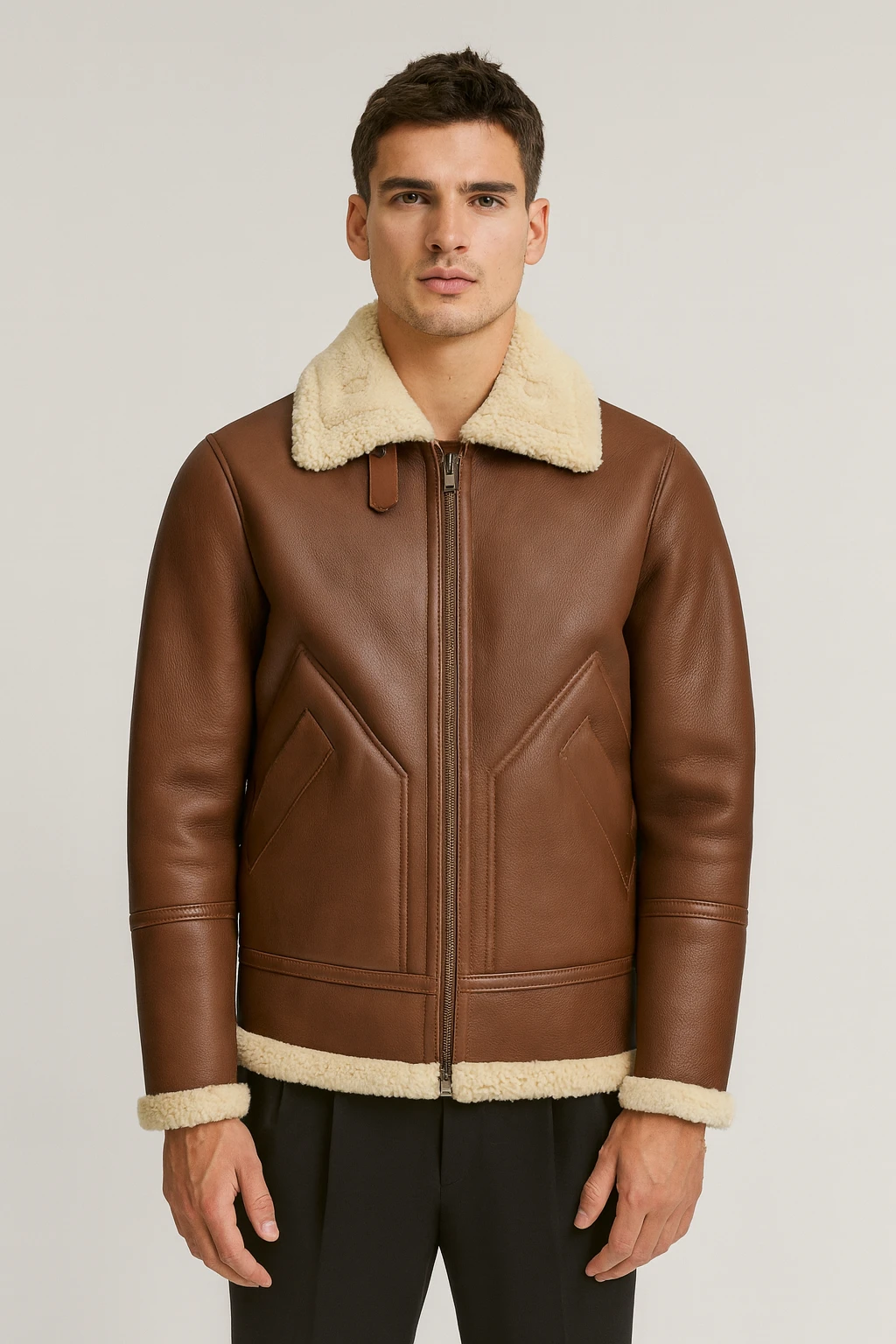
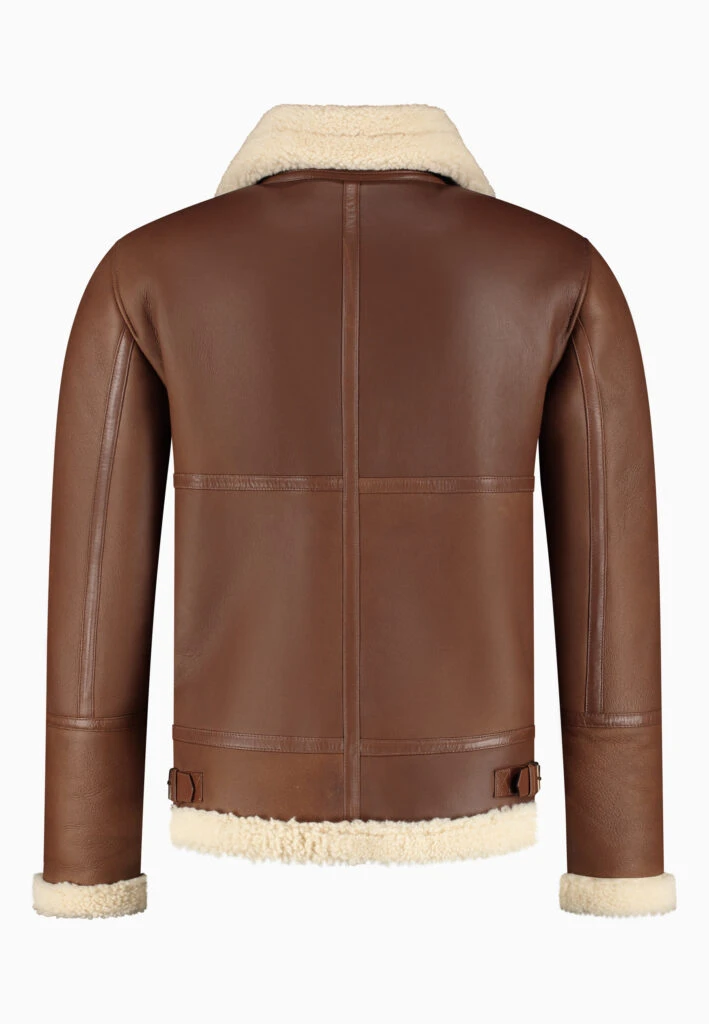
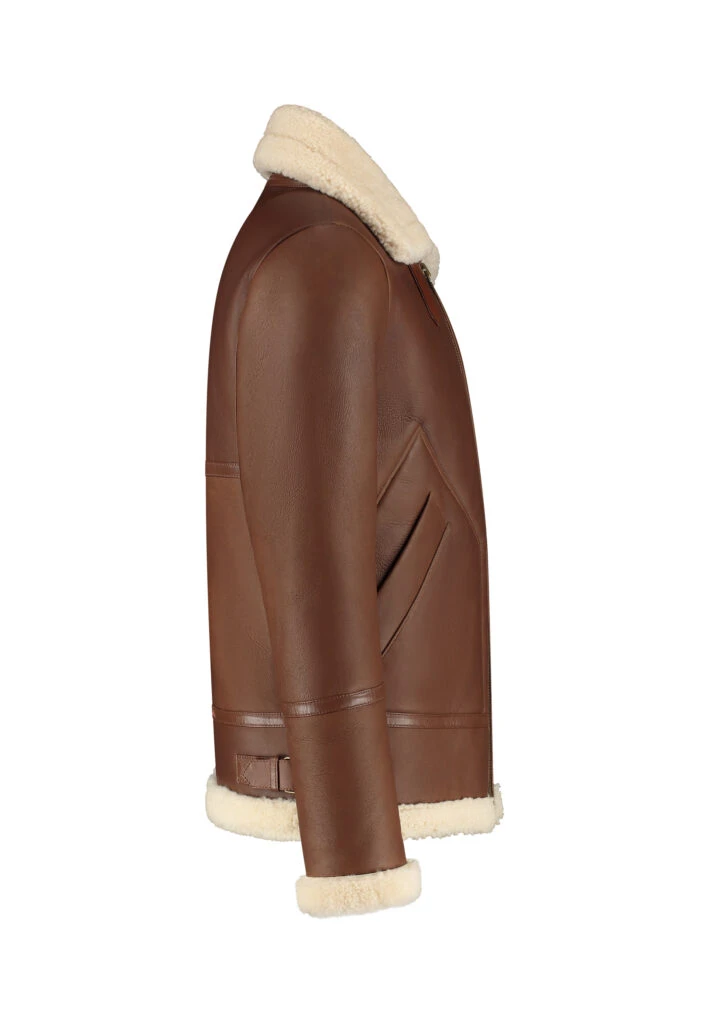
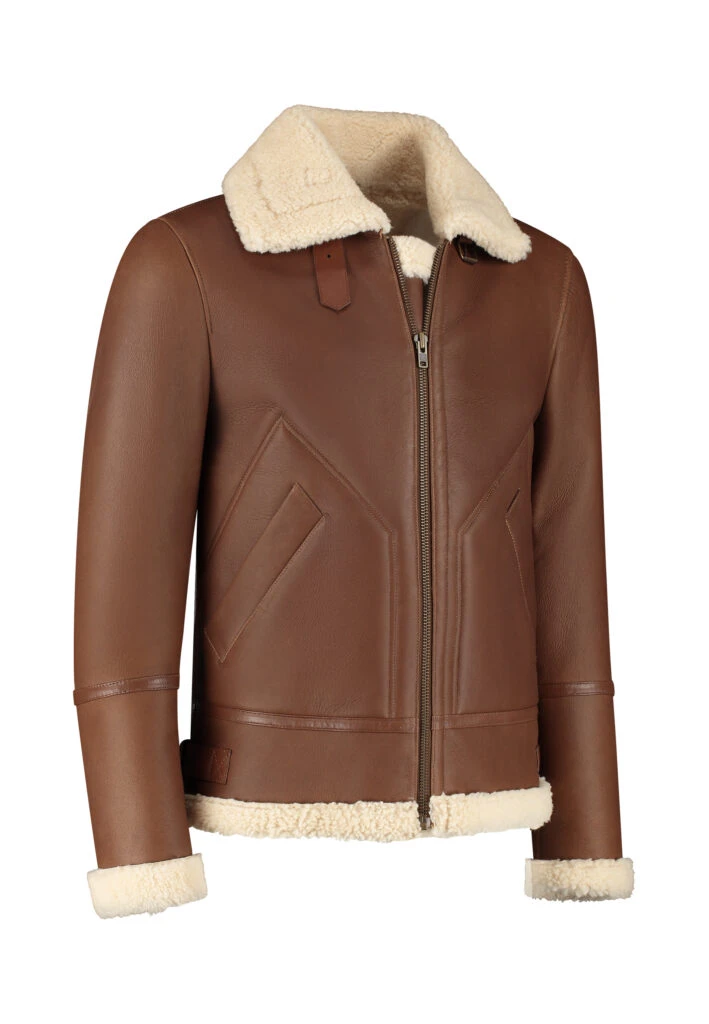
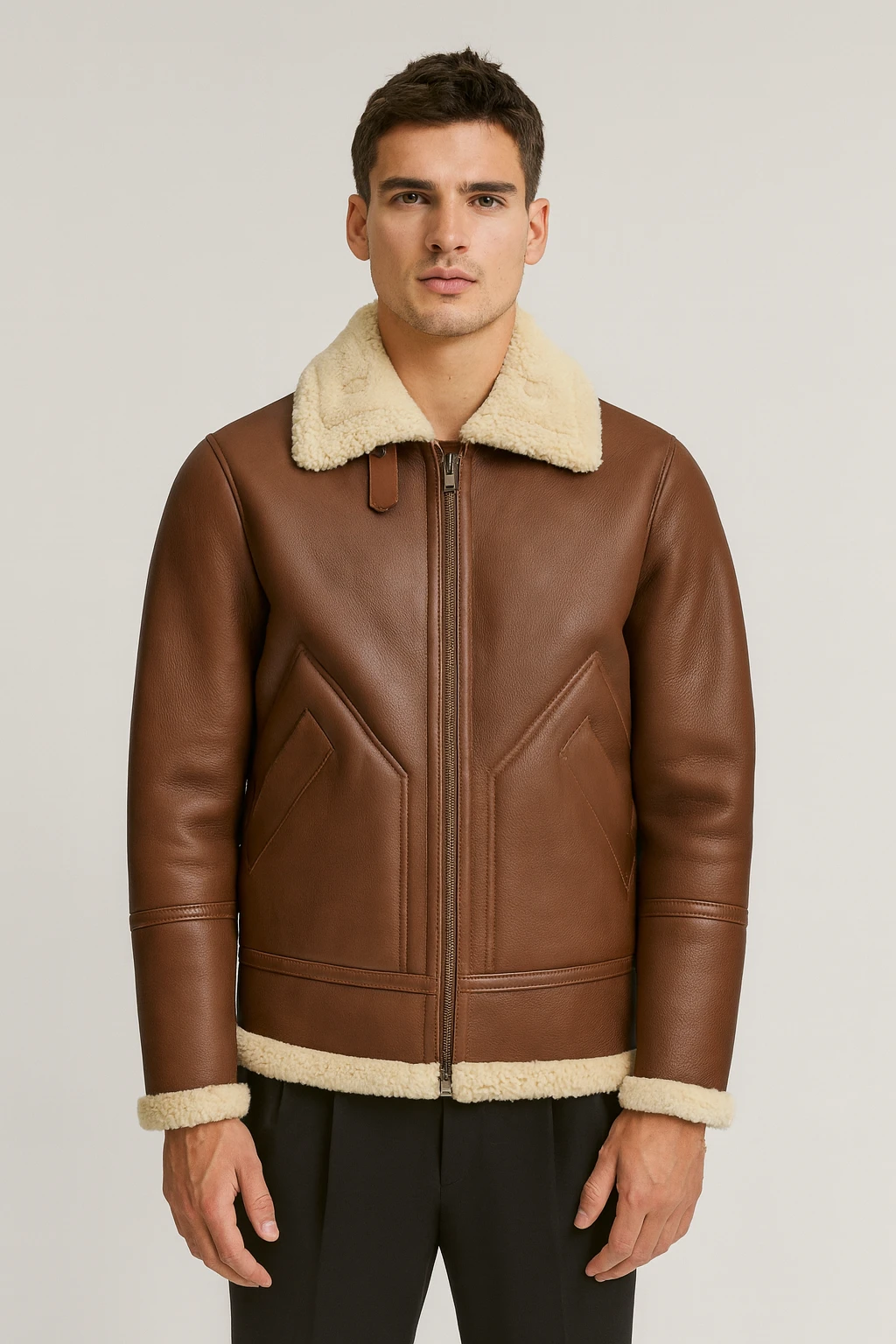
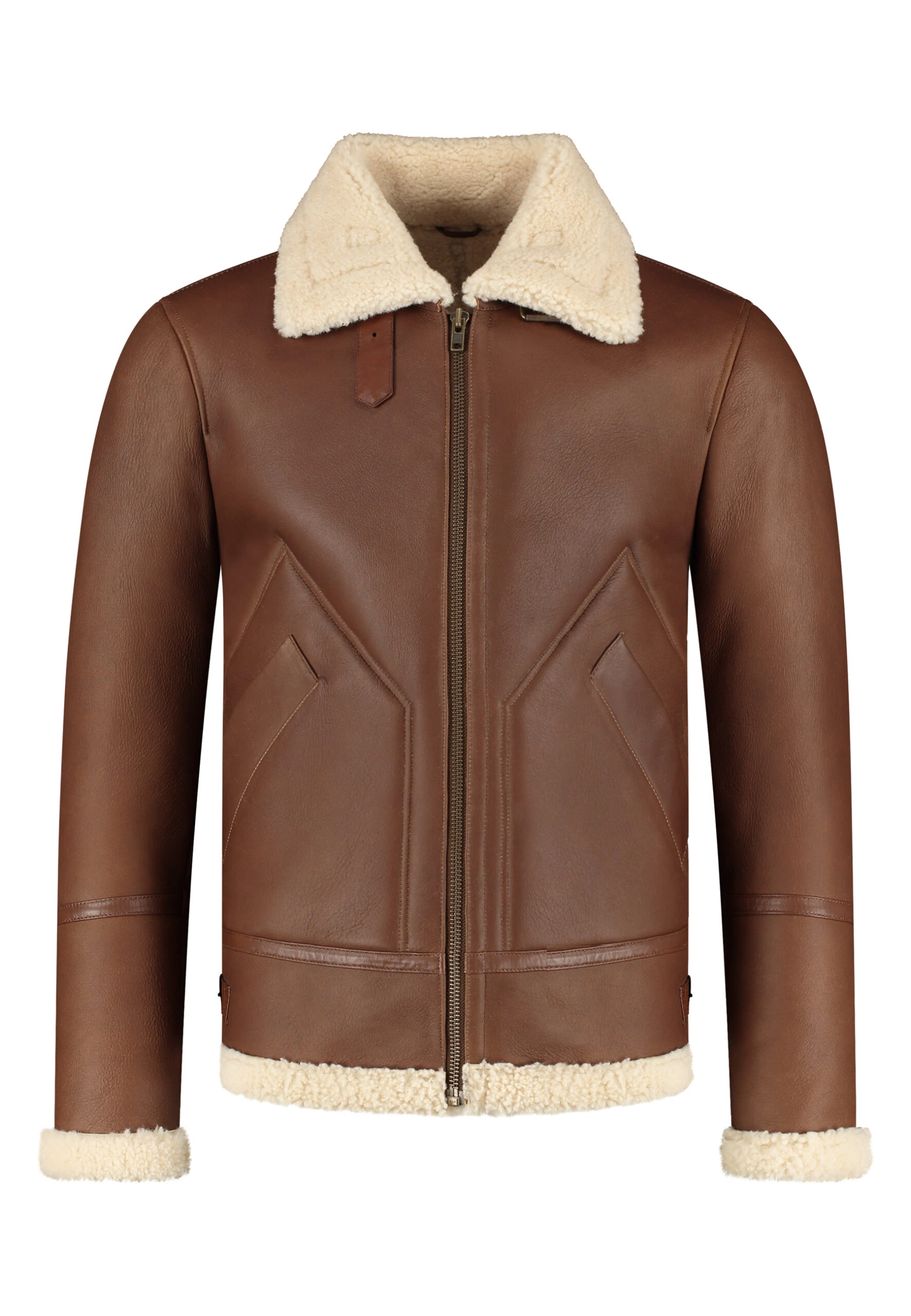
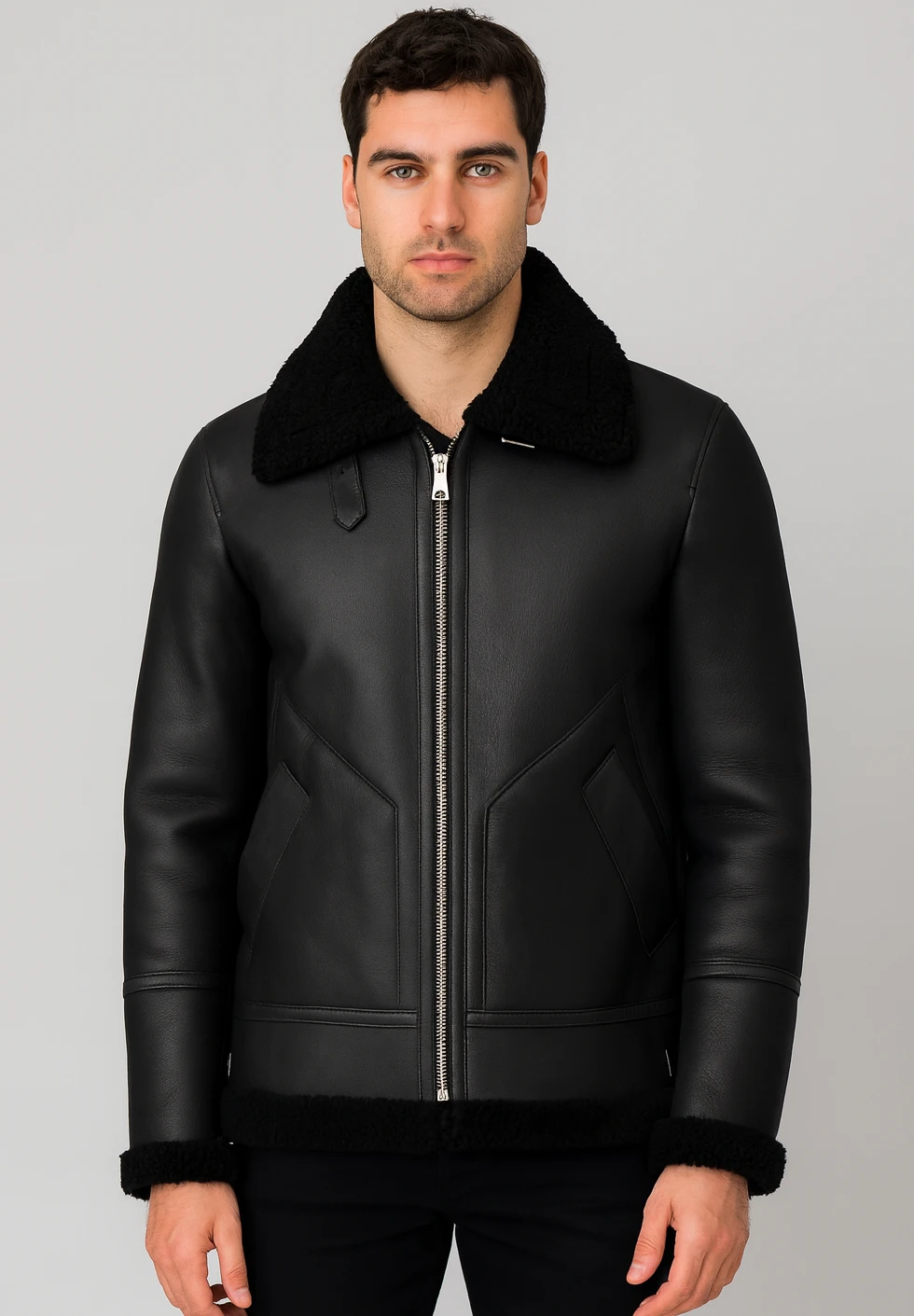
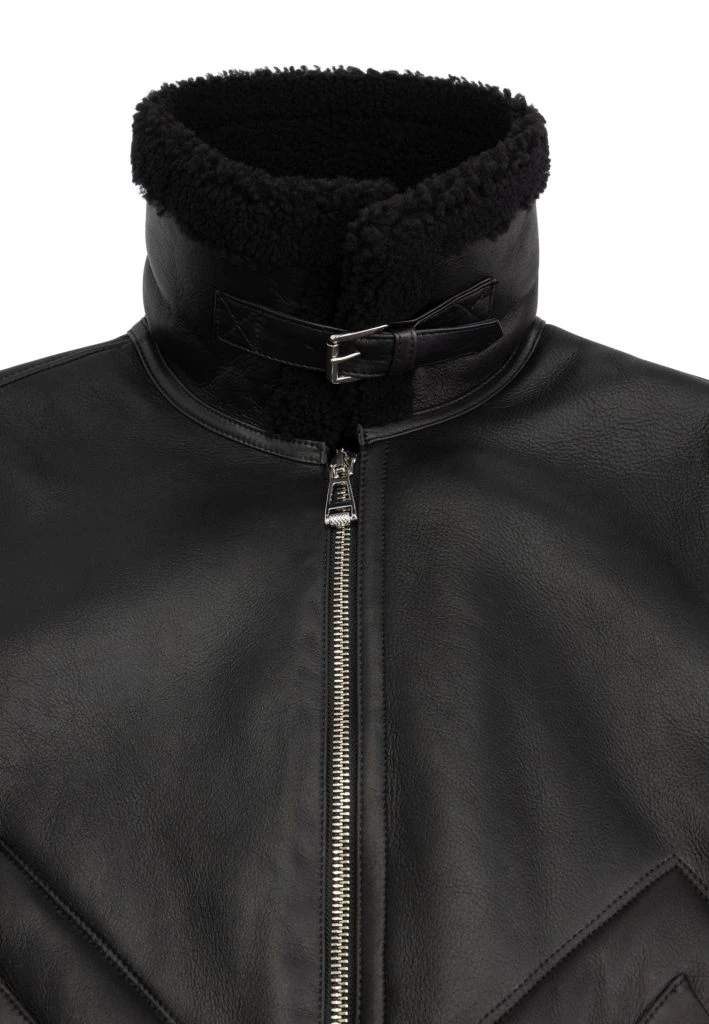
Męska Kurtka Skórzana Shearling – The Hunter – Brąz Cognac Skóra & Biała Wełna
zł6,245
VAT wliczone
Ostatnia najniższa cena:
zł6,245
-0%
Wybierz swój rozmiar.
▼
S
Zarejestruj swoje zainteresowanie.
M
Zarejestruj swoje zainteresowanie.
L
Tylko 1 sztuka została.
XL
Tylko 3 sztuki dostępne
2XL
Tylko 2 sztuki dostępne.
Cła importowe wliczone, sprzedawane i wysyłane z UE.
Standardowa dostawa
Darmowe
Darmowa dostawa i darmowe zwroty
Polityka zwrotów w ciągu 30 dni
Historia kurtki
The History of the Hunter Heritage Shearling Coat – Cognac Brown
The Hunter Heritage Shearling Coat traces its origins to the earliest forms of human protection. Long before tailored garments existed, early civilizations relied on natural hides to survive harsh climates. The principle was simple and instinctive: leather on the outside to shield against wind and moisture, wool on the inside to retain warmth. This fundamental construction, hide and fleece kept together, remains one of the most effective forms of insulation ever developed.
As centuries passed, this knowledge evolved into refined outerwear worn by hunters, explorers, and travelers facing extreme cold. Shearling became the material of choice not for fashion, but for survival. Its ability to regulate body temperature, insulate naturally, and remain breathable made it indispensable in environments where artificial materials could not compete.
The Hunter Heritage Shearling Coat honors this lineage. Crafted from genuine shearling, it preserves the original integrity of the hide, the leather exterior and wool interior remain inseparable, forming a single organic material. The leather side acts as a natural barrier against wind and cold air penetration, while the dense wool side creates a microclimate that traps warmth close to the body without overheating. Unlike layered jackets, shearling does not rely on synthetic padding; its insulation is inherent, stable, and long-lasting.
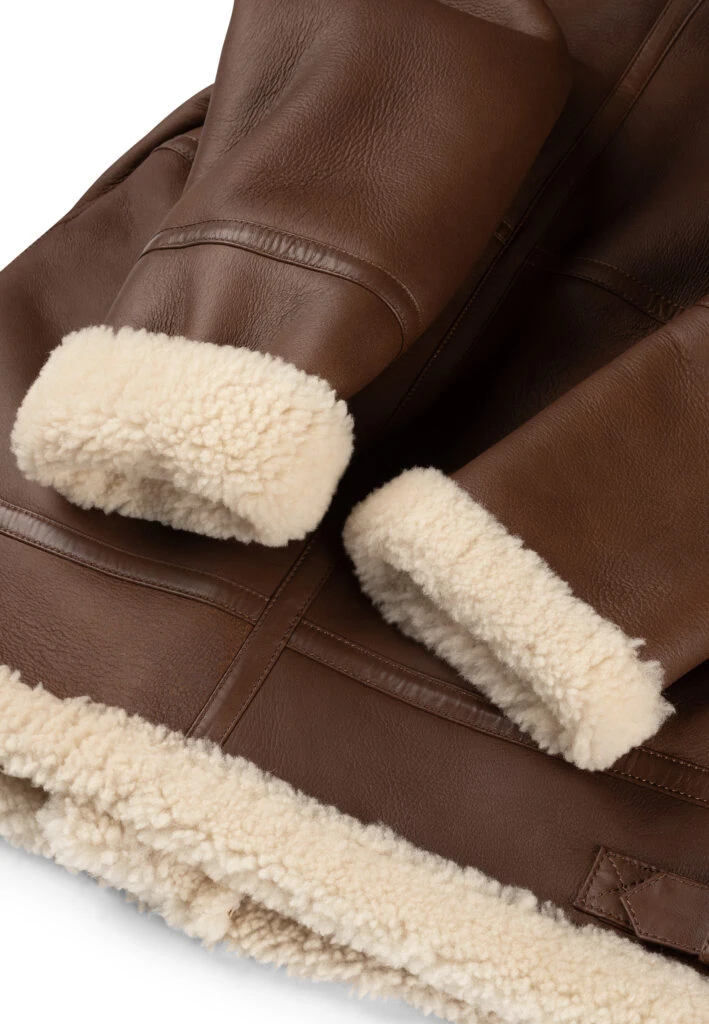
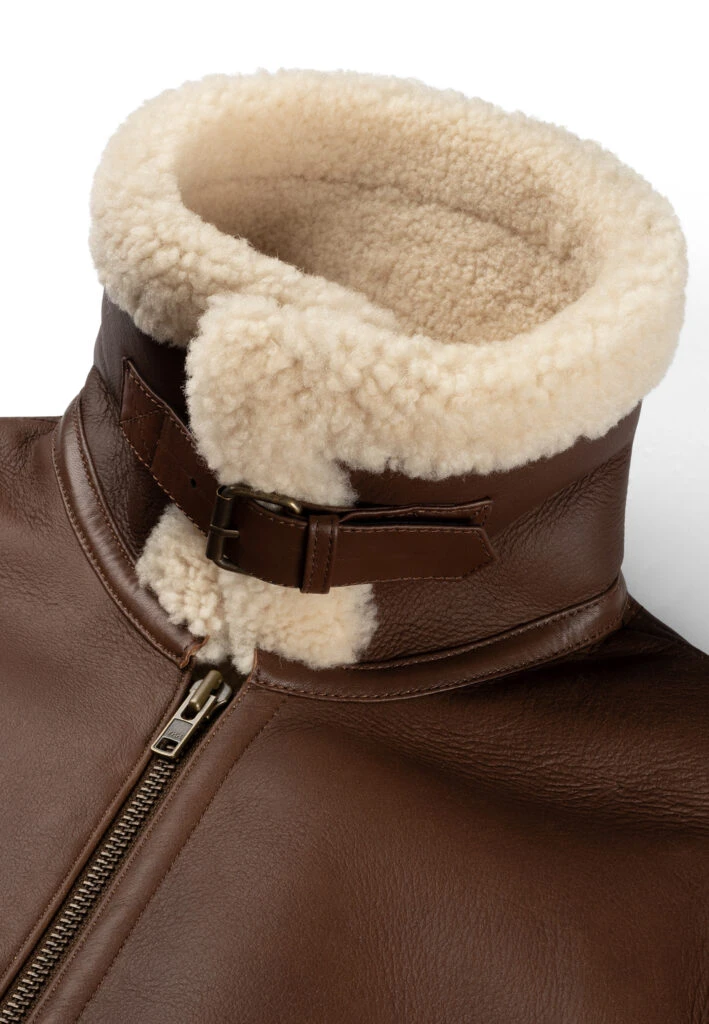
The silhouette reflects this history with intention. The structured body offers coverage and protection, while the generous shearling collar and cuffs echo traditional cold-weather garments designed to seal warmth where exposure is greatest. These elements are not decorative; they are functional details inherited from generations of practical design.
The cognac brown shade elevates the coat’s heritage character. Warm, rich, and deeply nuanced, cognac recalls aged leather saddles, archival travel coats, and time-worn expedition gear. In varying light, the colour reveals depth and tonal movement, enhancing the natural grain of the leather. Over time, the shade develops a distinctive patina, reinforcing the coat’s individuality and connection to its wearer.
In terms of performance, shearling remains one of the most powerful natural insulators used in luxury outerwear. When worn with appropriate winter layering, the Hunter Heritage Shearling Coat is well suited for severe cold conditions, typically ranging from approximately –10°C to –20°C, depending on wind, activity level, and personal sensitivity to cold. Its ability to maintain warmth while remaining breathable ensures comfort across long periods of wear.
The Hunter Heritage Shearling Coat is not a seasonal statement. It is a continuation of one of humanity’s oldest and most effective forms of protection, refined through craftsmanship and elevated by design. A coat defined by material truth, enduring warmth, and a heritage that predates fashion itself.
Szczegóły dotyczące rozmiaru i materiału
Shearling is a rare and intricate material: the hide and wool remain naturally united, never separated. This means that the smooth leather exterior and the soft wool lining are part of the very same skin: a process that requires exceptional skill to preserve. Unlike ordinary coats that stitch together leather and lining, shearling is crafted in one piece, resulting in unmatched durability, warmth, and breathability. The natural wool regulates temperature and feels luxuriously soft, while the leather develops a unique patina over time. Each shearling coat is therefore not only protective and comfortable, but also a true expression of artisanal craftsmanship.
Rozmiar i dopasowanie
- M - 49 cm,
- L - 50.5 cm,
- XL - 52 cm,
- 2XL - 53.5 cm
Shoulder-to-shoulder measurements (measured flat across the back):
Męska Kurtka Skórzana Shearling – The Hunter – Brąz Cognac Skóra & Biała Wełna
zł6,245
VAT wliczone
Ostatnia najniższa cena:
zł6,245
-0%
Wybierz swój rozmiar.
Wybierz rozmiar.
×
S
Zarejestruj swoje zainteresowanie.
M
Zarejestruj swoje zainteresowanie.
L
Tylko 1 sztuka została.
XL
Tylko 3 sztuki dostępne
2XL
Tylko 2 sztuki dostępne.
Cła importowe wliczone, sprzedawane i wysyłane z UE.
Standardowa dostawa
Darmowe
Darmowa dostawa i darmowe zwroty
Polityka zwrotów w ciągu 30 dni
Historia kurtki
Historia Płaszcza Dziedzictwa Myśliwego z Owczej Welny – Kolor Cognac Brown
Płaszcz Dziedzictwa Myśliwego ma swoje korzenie w najwcześniejszych formach ochrony człowieka. Długo przed powstaniem dopasowanych ubrań, wczesne cywilizacje polegały na naturalnych skórach, by przetrwać surowe warunki klimatyczne. Zasada była prosta i instynktowna: skóra na zewnątrz, by chronić przed wiatrem i wilgocią, wełna wewnątrz, by zachować ciepło. Ta fundamentalna konstrukcja, skóra i wełna trzymane razem, pozostaje jedną z najbardziej skutecznych form izolacji, jaką kiedykolwiek opracowano.
W miarę upływu wieków ta wiedza ewoluowała w rafinowaną odzież noszoną przez myśliwych, odkrywców i podróżników stawiających czoła ekstremalnym mrozom. Owcza welna stała się materiałem wyboru nie ze względu na modę, lecz na przetrwanie. Jej zdolność do regulowania temperatury ciała, naturalna izolacja i zachowanie oddychalności sprawiły, że stała się niezbędna w środowiskach, gdzie sztuczne materiały nie mogły konkurować.
Płaszcz Dziedzictwa Myśliwego hołduje tej linii. Wykonany z prawdziwej owczej welny, zachowuje pierwotną integralność skóry, skóra na zewnątrz i wełna wewnątrz pozostają nierozłączne, tworząc jeden organiczny materiał. Strona skóry działa jako naturalna bariera przed wiatrem i zimnym powietrzem, podczas gdy gęsta strona wełny tworzy mikroklimat, który zatrzymuje ciepło blisko ciała bez przegrzewania. W przeciwieństwie do warstwowych kurtek, owcza welna nie polega na syntetycznym wypełnieniu; jej izolacja jest wrodzona, stabilna i długotrwała.
Sylwetka odzwierciedla tę historię z intencją. Ustrukturyzowane ciało oferuje osłonę i ochronę, podczas gdy obfity kołnierz i mankiety z owczej welny nawiązują do tradycyjnych ubrań przeciw zimnu zaprojektowanych do zamykania ciepła tam, gdzie wystawienie jest największe. Te elementy nie są dekoracyjne; są to funkcjonalne detale odziedziczone po pokoleniach praktycznego projektowania.
Kolor cognac brown podnosi dziedzictwowy charakter płaszcza. Ciepły, bogaty i głęboko zróżnicowany, kolor cognac przywołuje starzone skórzane siodła, archiwalne podróżne płaszcze i sprzęt ekspedycyjny zużyty w czasie. W zróżnicowanym świetle kolor ujawnia głębię i tonalny ruch, wzmacniając naturalną strukturę skóry. Z czasem odcień nabiera charakterystycznej patyny, wzmacniając indywidualność płaszcza i jego związek z użytkownikiem.
Pod względem wydajności, owcza welna pozostaje jednym z najpotężniejszych naturalnych izolatorów stosowanych w luksusowej odzieży zewnętrznej. Noszony z odpowiednią zimową warstwą, Płaszcz Dziedzictwa Myśliwego doskonale sprawdza się w warunkach silnego mrozu, typowo wahających się od około -10°C do -20°C, w zależności od wiatru, aktywności i osobistej wrażliwości na zimno. Jego zdolność do utrzymywania ciepła przy zachowaniu oddychalności zapewnia komfort podczas długotrwałego noszenia.
Płaszcz Dziedzictwa Myśliwego nie jest sezonowym wyznaniem. To kontynuacja jednej z najstarszych i najbardziej skutecznych form ochrony ludzkości, udoskonalona poprzez rzemiosło i podniesiona przez design. Płaszcz zdefiniowany przez prawdziwość materiału, trwałe ciepło i dziedzictwo, które poprzedza samą modę.
Szczegóły dotyczące rozmiaru i materiału
-
Shearling to rzadki i skomplikowany materiał: skóra i wełna pozostają naturalnie połączone, nigdy nie oddzielone. Oznacza to, że gładka skórzana powierzchnia i miękka podszywka z wełny są częścią tego samego materiału: proces ten wymaga wyjątkowej umiejętności zachowania. W przeciwieństwie do zwykłych płaszczy, które łączą ze sobą skórę i podszywkę, shearling jest wykonany z jednego kawałka, co daje niezrównaną wytrzymałość, ciepło i oddychalność. Naturalna wełna reguluje temperaturę i jest luksusowo miękka, podczas gdy skóra nabiera unikalnego patyny wraz z upływem czasu. Każdy płaszcz shearling jest więc nie tylko ochronny i wygodny, ale także prawdziwym wyrazem rzemieślniczej precyzji.
Rozmiar i dopasowanie
- M - 49 cm,
- L - 50.5 cm,
- XL - 52 cm,
- 2XL - 53.5 cm
Pomiary od ramienia do ramienia (mierzone na płasko przez plecy):
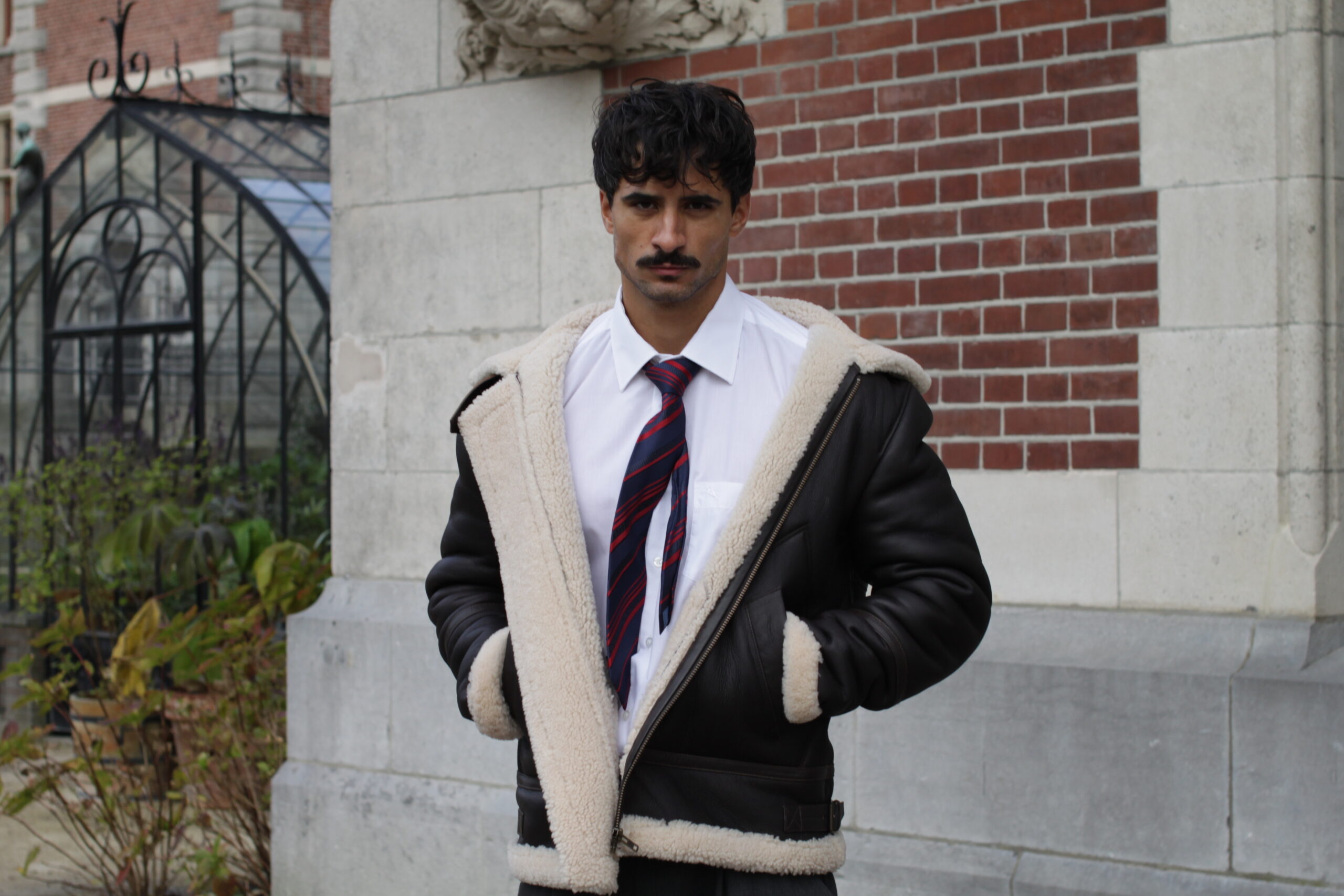
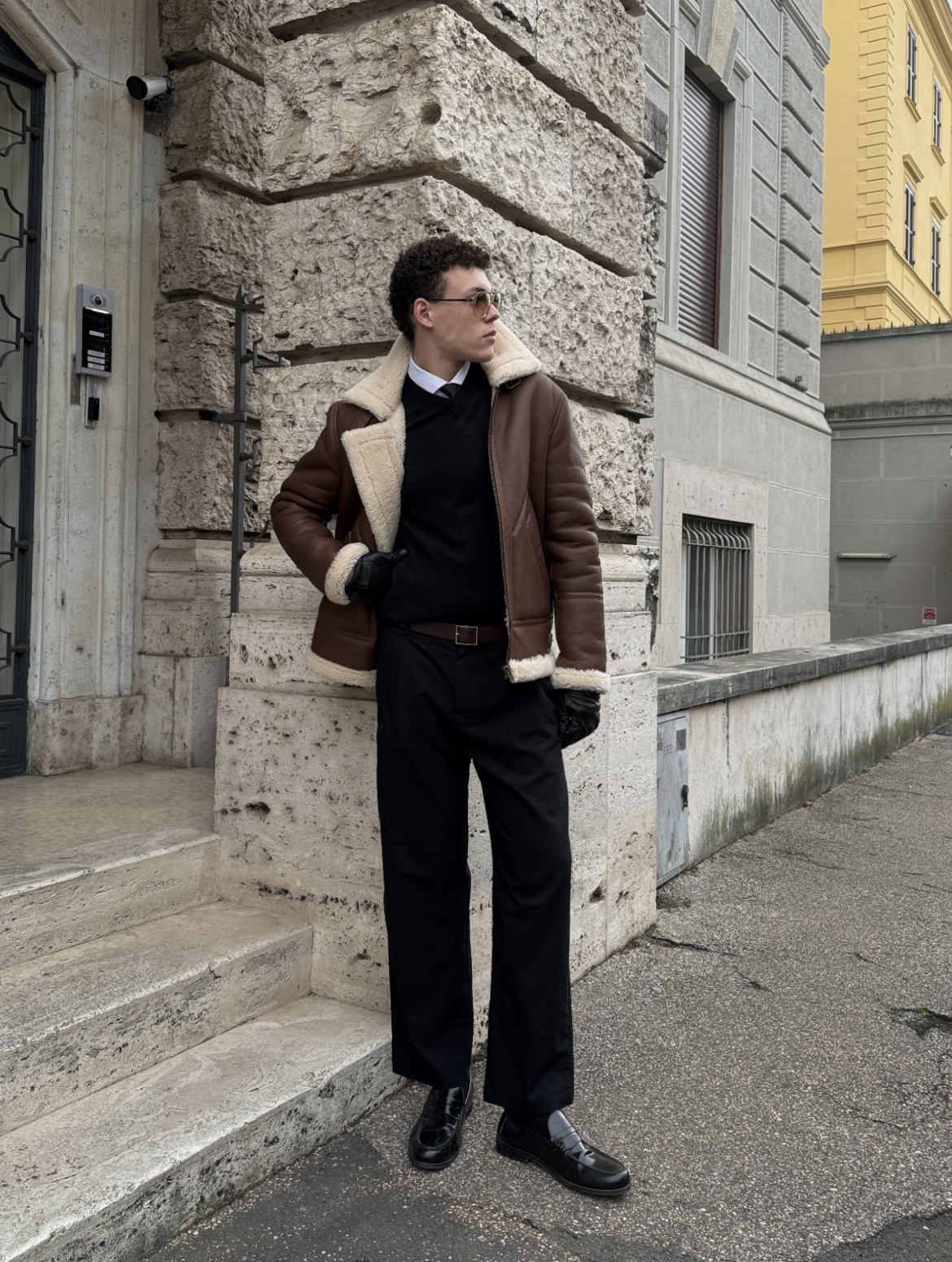
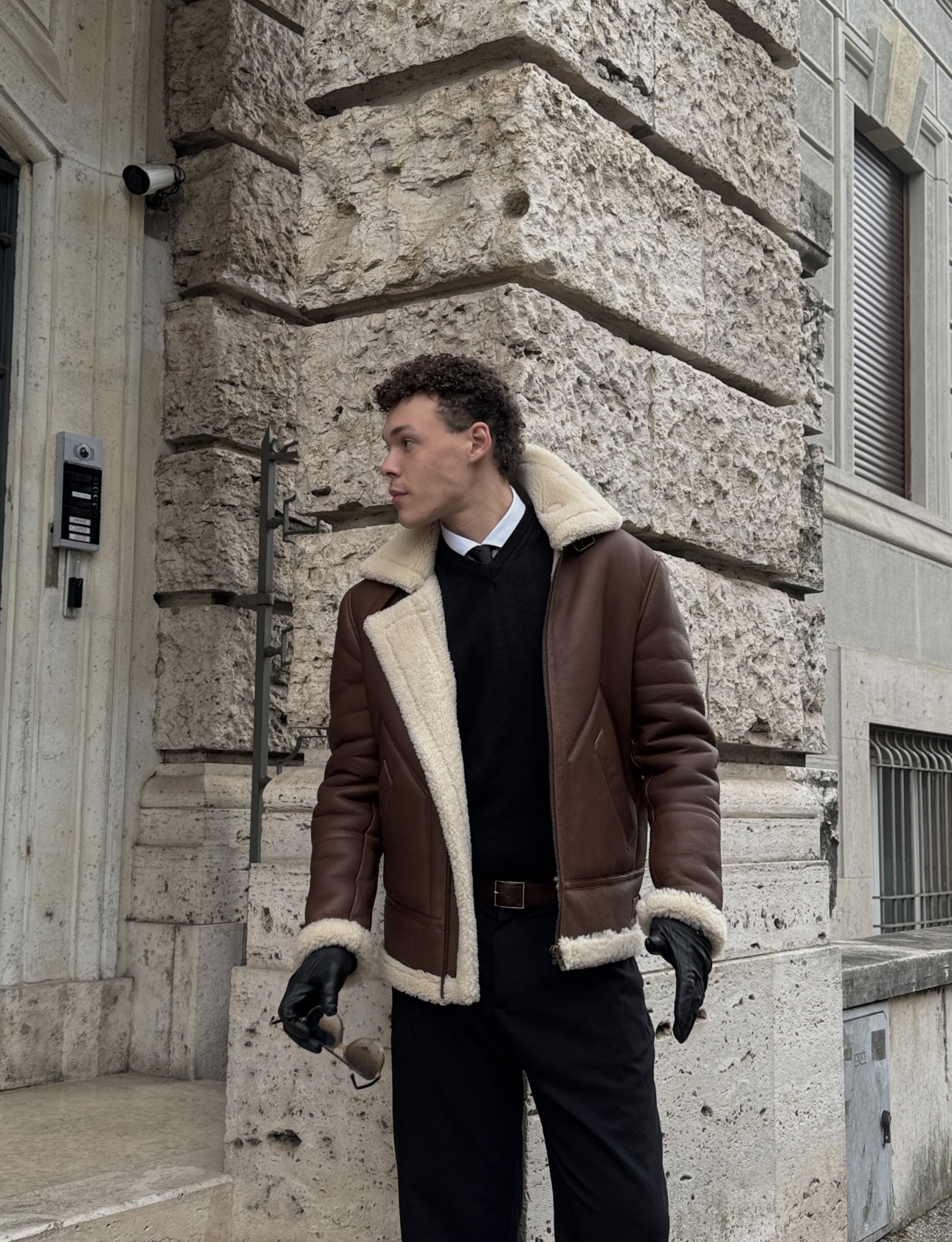
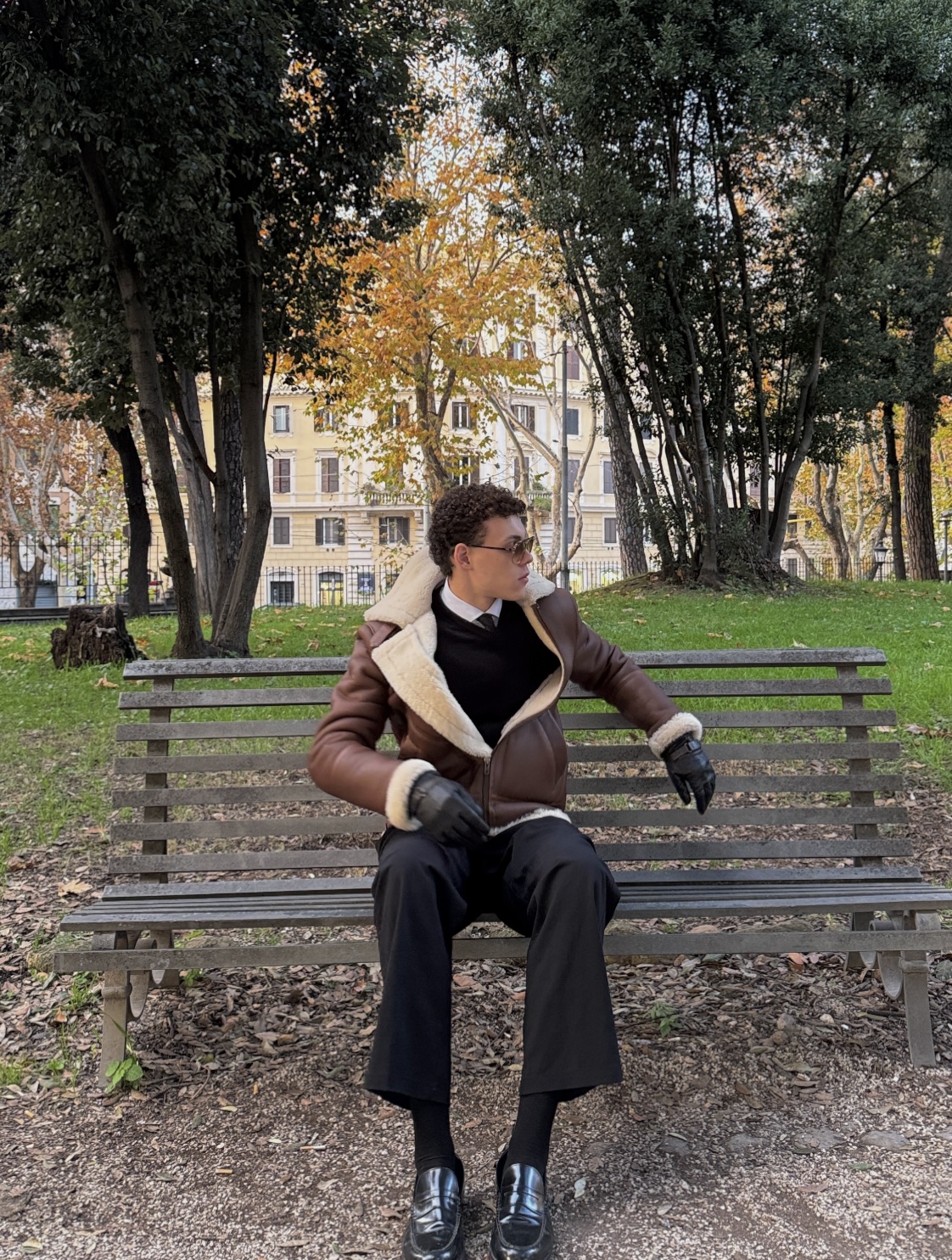
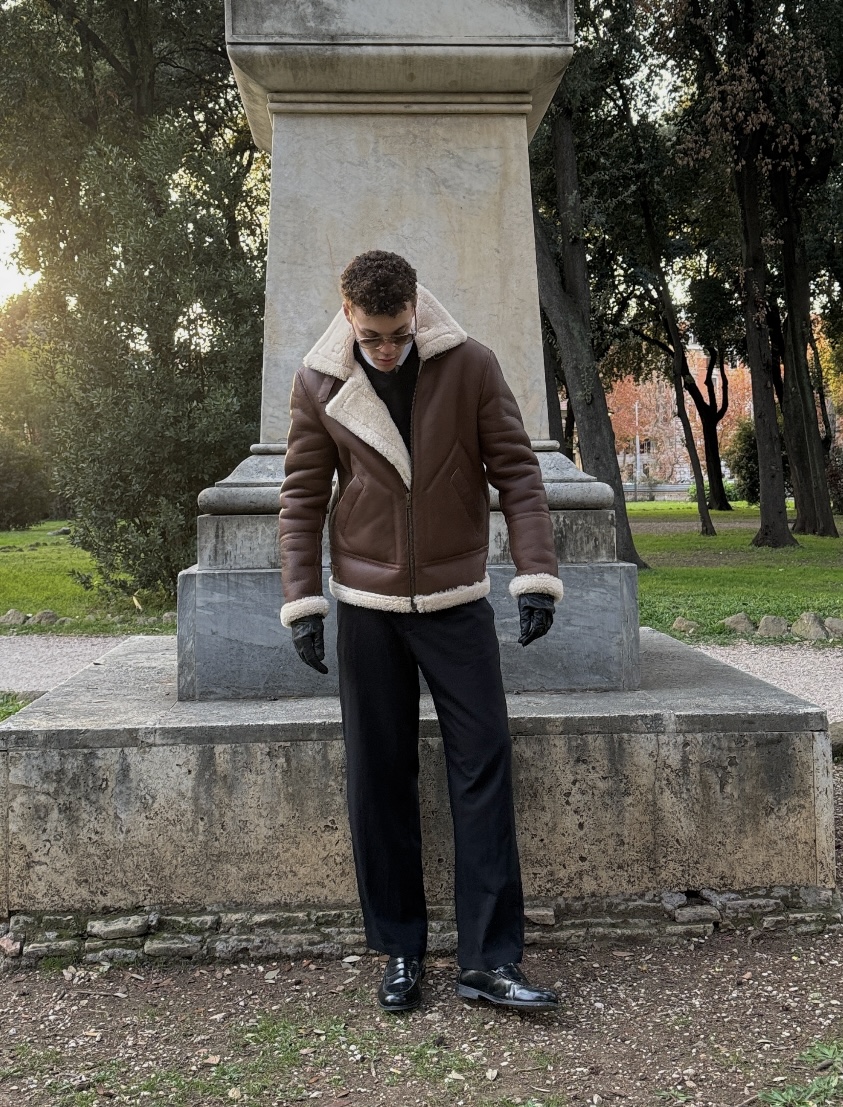
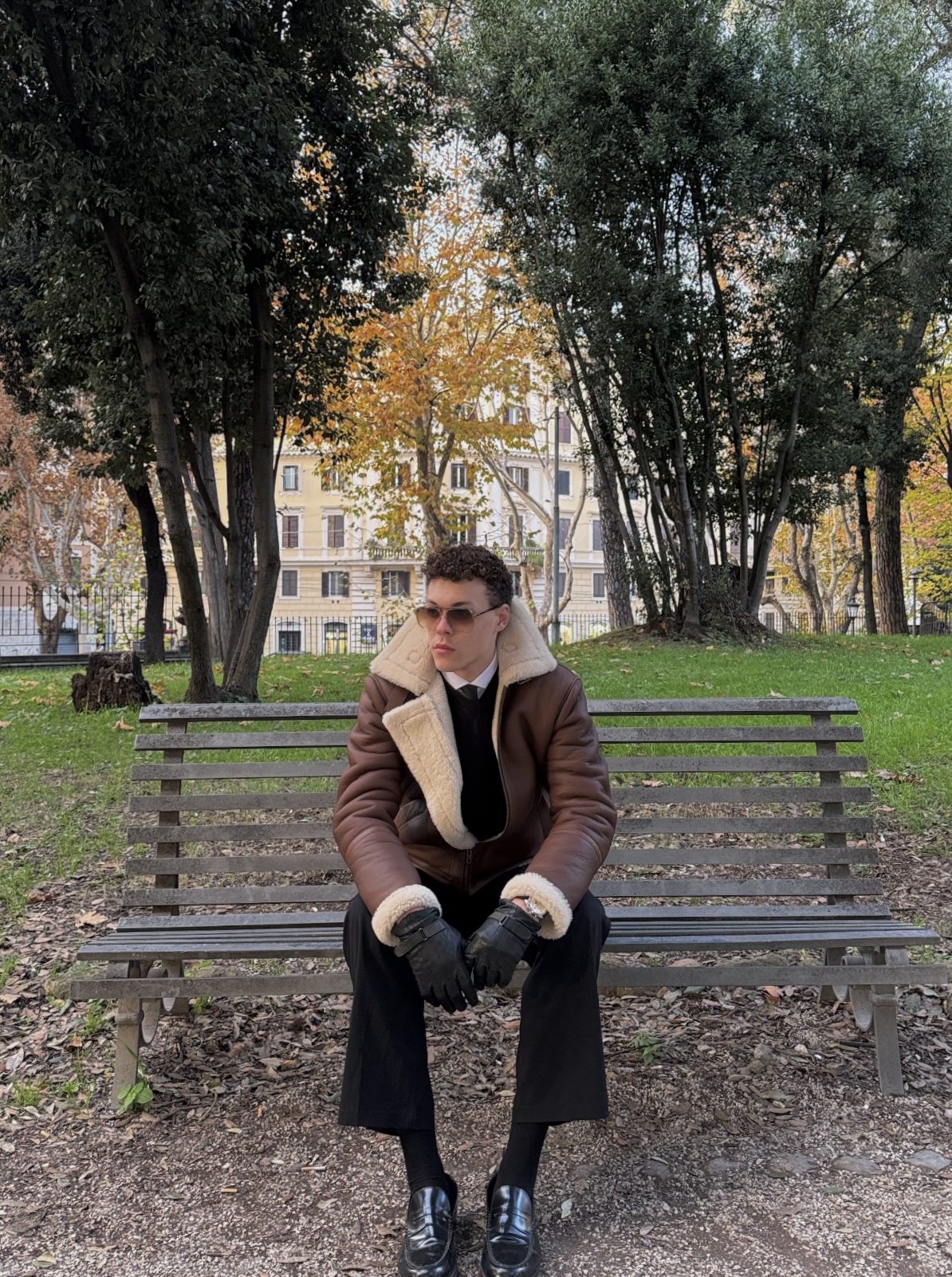
Inspiracje stylizacyjne
Opinie klientów
Może Ci się spodobać
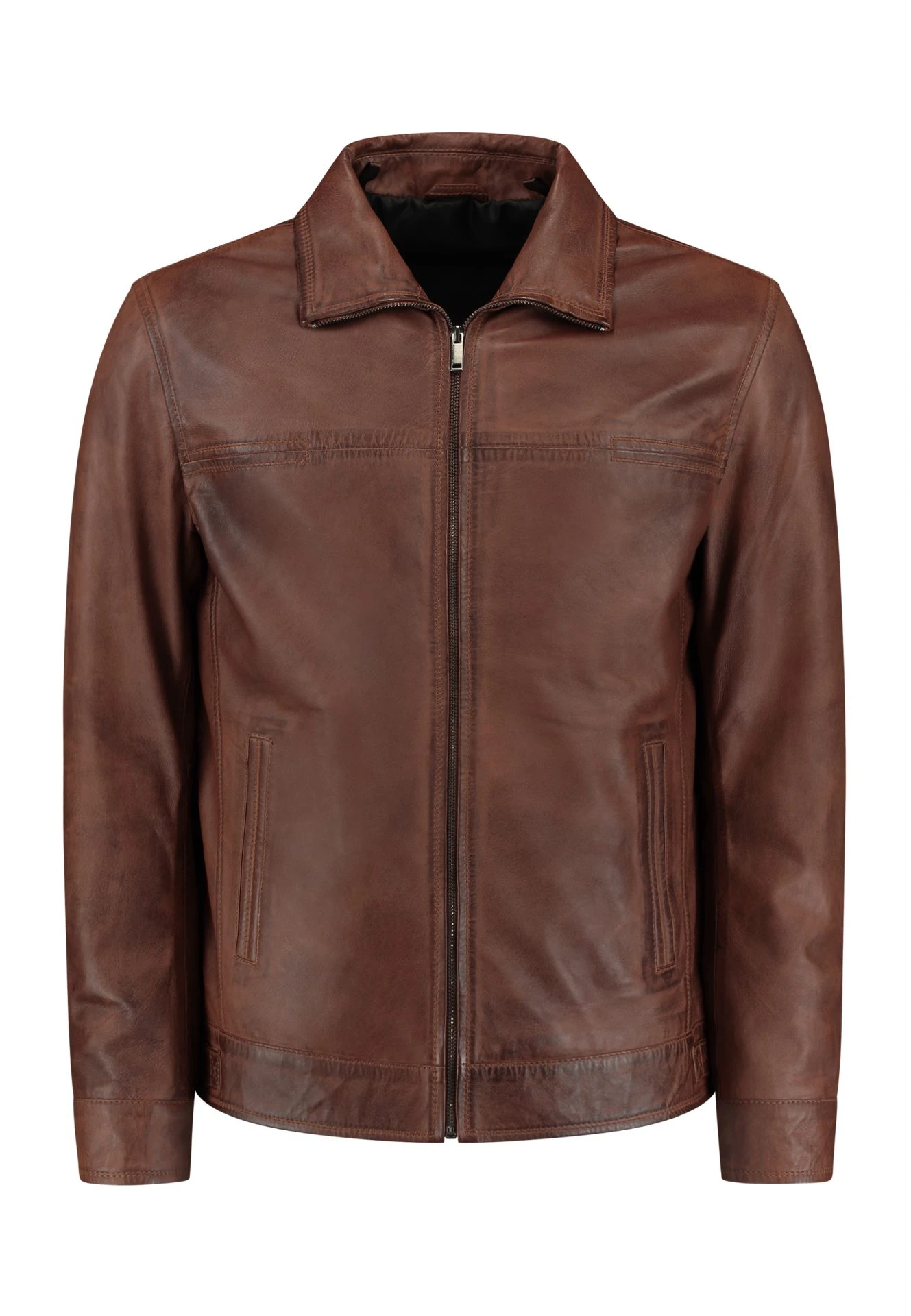
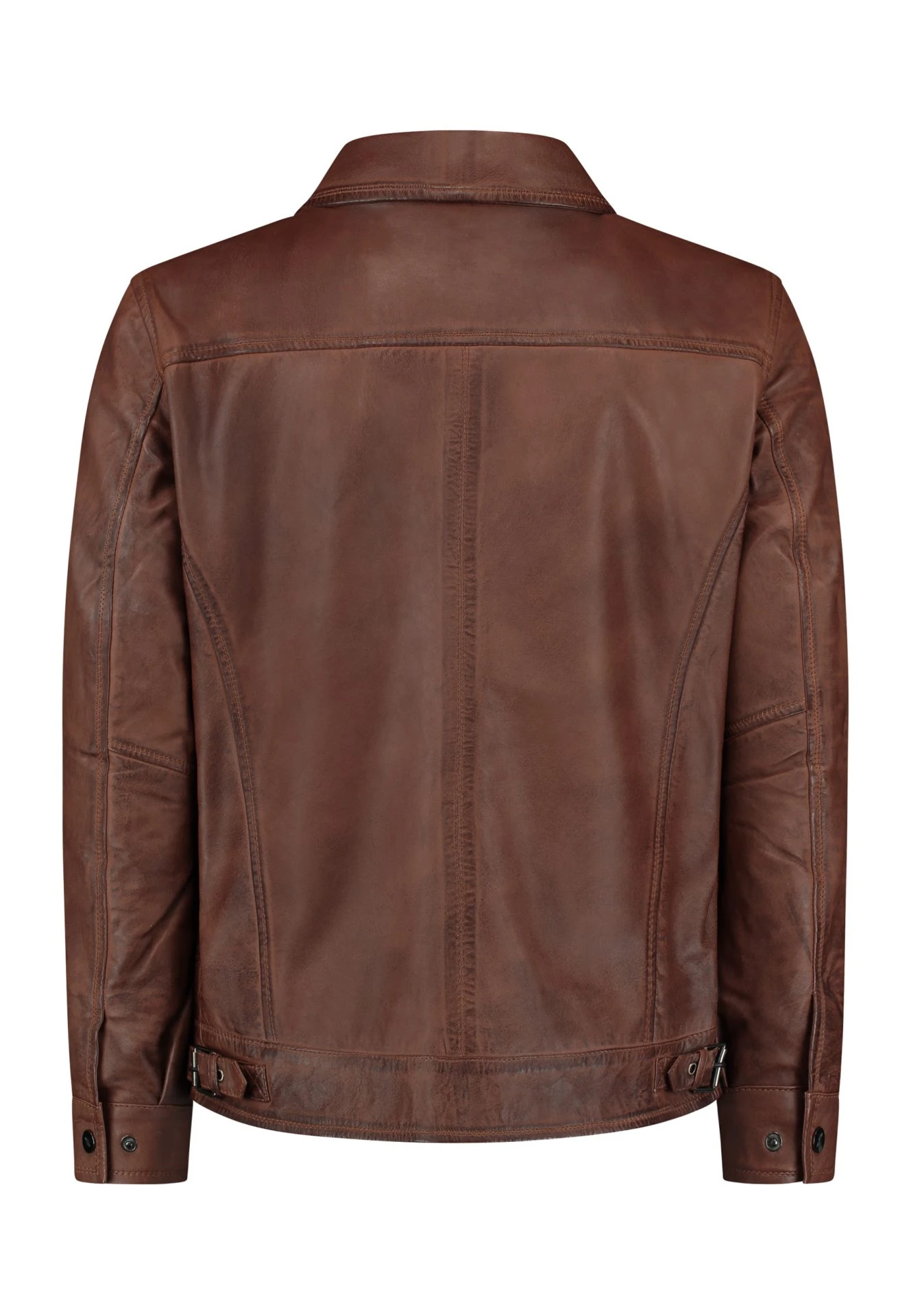
Kent Brązowa Kurtka Skórzana – Klasyczna Kurtka z Wysokim Kołnierzem i Zamkiem
zł2,620
-21%
zł2,079